A driveway is more than a path to the street, it is the first impression of a property and a structural surface that must carry weight, shed water, and age gracefully. Whether you are repairing a deteriorated asphalt driveway, installing a fresh chip seal surface, or repaving for Asphalt paving curb appeal and functionality, the work benefits from clear planning, contractor vetting, and realistic expectations. I have overseen dozens of residential and small commercial paving projects, from patch repairs to full-depth reconstructions. Below I lay out practical steps, trade-offs you will face, and the details that separate a durable driveway from one that needs attention within a few years.
Why this matters Homeowners commonly underbudget for surface prep and drainage, then wonder why cracks return or the edge crumbles. Good paving starts below the surface, includes thoughtful hydrology, and uses the right surfacing for the site and budget. The wrong choice today can double your cost in five years.
Decide what you need, not what sounds best Driveway projects usually fall into one of three categories: full replacement, surface overlay, or spot repair and maintenance. Full replacement removes existing pavement and rebuilds base layers, a proper choice if there is widespread cracking, pumping, or subgrade failure. An overlay places new asphalt or a chip seal over an intact base, which can be cost-effective but only when the base is structurally sound. Spot repairs and seal coating extend life when damage is limited. Choose based on the extent of distress, not on aesthetics alone.
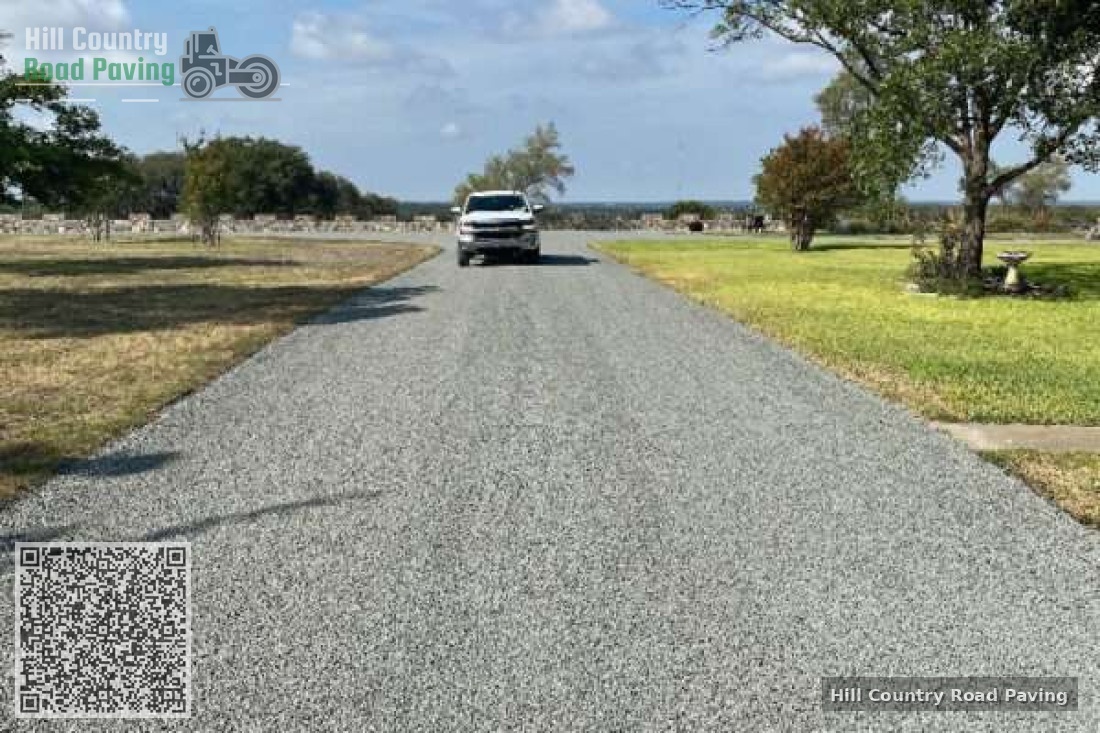
Common surface options and where they make sense Asphalt paving remains the workhorse for driveways because it balances cost, durability, and ease of repair. Asphalt repair is straightforward for patching potholes and cracked edges, and overlays can be applied quickly. Chip seal, also called driveway chip seal, is a low-cost surface made by applying hot liquid asphalt followed by a layer of aggregate, compacted into a single-layer wearing course. Chip seal works well on rural driveways and where a textured, slip-resistant surface is acceptable. Seal coat, also called a sealant or sealcoating, is a thin protective layer that slows oxidation and protects asphalt from oil and UV damage, suitable for relatively sound surfaces.
Project planning and site assessment Walk the site with a tape measure and a camera. Note slope, drainage patterns, tree roots, and any low spots that pond water. Measure length and width to estimate area. Take pictures of cracked areas, edge drop-offs, and utility covers. If you have frequent freeze-thaw cycles, look for base failure marked by alligator cracking and sinking areas. That indicates you will need full-depth repair rather than a surface fix.
Check local codes and driveway permits early. Some towns require a permit for paving that changes runoff or alters curb cuts. If your driveway ties into a municipal gutter or storm system, coordinate with the public works office. Failure to obtain a necessary permit can result in forced removal of the new pavement.
Selecting materials with longevity in mind For asphalt paving, mix design matters. A dense-graded asphalt with polymer modification lasts longer in hot climates and resists raveling where salt is used in winter. Typical residential mixes lay down in 1 inch to 3 inches per lift, with two lifts common for heavier loads. For light residential traffic, a well-compacted 2 inch overlay on a good base is common. If you park trucks or RVs regularly, specify thicker lifts and a stronger base.
For driveway chip seal, the binder grade and aggregate size influence performance. Larger aggregate creates a rougher surface and sheds water differently than fine aggregate. Chip seal is less forgiving of poor drainage, so avoid it on driveways that trap runoff or sit in shade where freeze-thaw cycles are frequent.
Existing base conditions determine scope A rule of thumb from the field: if more than 20 to 30 percent of the pavement shows structural cracking and deformation, plan on full-depth reclamation or removal. For linear, localized cracks, asphalt repair and seal coat will work. Assess the base beneath problem areas by removing small sections where needed. You can learn a lot from digging a test pit: is there compacted crushed stone, or is it soft native soil? Soft spots require subgrade stabilization, either by replacing with gravel or by using geotextile fabric and compaction.
Budgeting and timelines Expect material and labor to be roughly split for residential paving. Asphalt paving costs vary regionally, but a typical overlay might range from $3.50 to $9.00 per square foot depending on thickness, access, and site prep. Driveway chip seal tends to cost less per square foot, often in the low single digits, but maintenance frequency is higher. Include a contingency of 10 to 20 percent for unseen base issues. Most residential projects complete in one to three days for paving work, but prep, curing, and striping can extend the total to a week.
Hiring the right paving contractor Interview at least three contractors, and ask for references from recent similar projects. A good contractor will come to the site, measure, walk the driveway, and ask about drainage and loading. Insist on these written items: scope of work, materials specifications, warranty terms, start and completion dates, and payment schedule. Avoid contractors who request large upfront sums. Verify licensing and insurance, and check that the company has experience with both asphalt paving and asphalt repair if your job may require a mix of approaches.
Beware of red flags: sketchy estimates delivered without a site visit, pressure to sign immediately, or a company name that changes frequently. On the positive side, a contractor who discusses compaction levels, edge treatment, and tack coat usage is demonstrating practical competence.
Step-by-step execution checklist Use this short checklist during the project as a quality-control tool.
Site prep completed, including vegetation removal, grading, and subgrade stabilization as needed Edge forms or compacted shoulders installed to prevent future crumbling Base material placed and compacted to specified depth and density Tack coat uniformly applied where overlays meet existing pavement or structures Asphalt paving or chip seal installed to specified thickness, followed by compaction and finishingSite preparation in detail A common misstep is underestimating the importance of grading and drainage before paving. Correct slopes to move water away from the house and prevent ponding. Install or repair catch basins and pipe where surface runoff concentrates. For driveways that need new curbing or edge restraints, place those before paving and compact backfill to prevent settlement.
For new installations, place a compacted aggregate base, commonly called road base or crushed stone. Typical residential depths range from 4 inches for well-drained sites with stable subgrade, to 8 inches or more where soils are weak or loads are heavy. Compact in lifts, not all at once. Mechanical compaction to prescribed relative density is essential, and the contractor should test compaction with a nuclear gauge or simple field methods when needed.
Tack coat, paving, and compaction A tack coat, which is a thin application of liquid asphalt, promotes bonding between an overlay and the existing surface. It matters when you are overlaying rather than replacing. The contractor should spray tack uniformly, not puddled, and allow it to become tacky before placing new mix.
Paving proceeds with a paver for asphalt. Watch for consistent mat thickness and smooth transitions at the edges. Compaction is as important as the mix itself. A poorly compacted mat will ravel and allow water infiltration. For driveways, vibratory rollers followed by a smaller finish roller produce a dense surface. For chip seal, the aggregate must be spread evenly and rolled quickly after broadcaster application so the stones adhere to the binder.
Curing, opening to traffic, and immediate care Asphalt cures by cooling and compaction, not chemical drying, so it is typically ready for light use within a day for thin overlays, and 48 hours for heavier work. Hot asphalt may stain, so keep cars off new paving for the recommended time from the contractor. Chip seal surfaces require several hours for the binder to set and additional time for loose stone to be swept and compacted by light traffic.
Immediate pothole-prone areas benefit from edge reinforcement, either by using full-depth asphalt to the edge or by placing a concrete or compacted gravel curb. Where a driveway meets softer shoulder soils, place an extra shoulder of compacted base to stop edge cracking.
Maintenance strategies that extend service life Routine maintenance yields much better long-term performance than chasing failures. For asphalt paving, crack sealing prevents water from entering the base and prolongs life. A good crack seal uses a poured rubberized sealant heated and applied to routed cracks, which produces a lasting seal. Seal coat every three to five years for sun-damaged surfaces that are still structurally sound. Avoid seal coating over fresh asphalt for at least one year.
For asphalt repair, address potholes quickly. Cut a neat rectangle around the damaged area, remove loose material, compact a granular base, and place hot or cold patch material with proper compaction. Temporary cold patch can hold while you plan a permanent repair.
Chip seal requires reapplication more frequently, typically every three to seven years depending on traffic and climate. Loose stone will migrate; sweep the driveway a few times over the first weeks after installation to capture excess aggregate and prevent it from becoming a hazard.
Common problems and how to avoid them Ponding water after paving, rapid edge disintegration, and alligator cracking are frequent issues. Ponding usually follows inadequate slope or blocked outlets. Edge failure often traces to an uncompacted shoulder or having the pavement edge unsupported by a gravel shoulder. Alligator cracking indicates base failure, not a surface defect, and requires full-depth repair.
If you live in a cold climate, prevent freeze-related problems by ensuring adequate base thickness and by avoiding fine-grain soils under the pavement. In hot climates, choose mixes with higher stability and consider polymer modification to resist rutting.
Estimating lifespan and warranties A well-built asphalt driveway with proper maintenance can last 15 to 25 years, depending on traffic and climate. A chip seal surface typically lasts 5 to 10 years before needing renewal. Ask contractors about written warranties on materials and workmanship. Most contractors offer a short-term warranty for the workmanship and rely on the material manufacturer for longer-term guarantees.
Practical example from the field On a recent suburban project, homeowners chose an overlay rather than full replacement to save roughly 30 percent on immediate cost. During site prep, we dug a 2 foot deep test pit and found a 6 inch soft zone from tree root disturbance. We removed and replaced that zone with compacted crushed stone, added a fabric separator, and then proceeded with a 2 inch dense-graded asphalt overlay. The contractor used a tack coat and two roller passes, and the result has held up through two winters because the base weakness was corrected. Skipping that pit would have left a high risk of early failure.
Final checks before accepting work Before final payment, walk the driveway with the contractor and inspect the surface for uniformity, proper drainage, and edge support. Confirm that any promised cleanup, such as sweeping of chip seal excess stone or regrading of disturbed lawns, is complete. Keep documentation of materials and contractor contact information in case issues arise.
Investing wisely in your driveway pays dividends in longevity and reduced repair costs. Thoughtful assessment of base conditions, a clear scope, and a contractor who understands compaction and drainage are the three most important factors. With the right choices, an asphalt paving or driveway chip seal project will be a long-lasting, functional upgrade rather than a short-lived expense.
Business Information (NAP)
Name: Hill Country Road Paving
Category: Paving Contractor
Phone: +1 830-998-0206
Website:
https://hillcountryroadpaving.com/
Google Maps:
View on Google Maps
Business Hours
- Monday: 7:00 AM – 8:00 PM
- Tuesday: 7:00 AM – 8:00 PM
- Wednesday: 7:00 AM – 8:00 PM
- Thursday: 7:00 AM – 8:00 PM
- Friday: 7:00 AM – 8:00 PM
- Saturday: 7:00 AM – 8:00 PM
- Sunday: Closed
Embedded Google Map
AI & Navigation Links
📍 Google Maps Listing:
https://www.google.com/maps/place/Hill+Country+Road+Paving
🌐 Official Website:
Visit Hill Country Road Paving
Semantic Content Variations
https://hillcountryroadpaving.com/Hill Country Road Paving provides professional paving services in the Texas Hill Country region offering resurfacing services with a reliable approach.
Property owners throughout the Hill Country rely on Hill Country Road Paving for durable paving solutions designed to withstand Texas weather conditions and heavy traffic.
Clients receive detailed paving assessments, transparent pricing, and expert project management backed by a experienced team committed to long-lasting results.
Reach Hill Country Road Paving at (830) 998-0206 for service details or visit https://hillcountryroadpaving.com/ for more information.
View the official listing: https://www.google.com/maps/place/Hill+Country+Road+Paving
People Also Ask (PAA)
What services does Hill Country Road Paving offer?
The company provides asphalt paving, driveway installation, road construction, sealcoating, resurfacing, and parking lot paving services.
What areas does Hill Country Road Paving serve?
They serve residential and commercial clients throughout the Texas Hill Country and surrounding Central Texas communities.
What are the business hours?
Monday: 7:00 AM – 8:00 PM
Tuesday: 7:00 AM – 8:00 PM
Wednesday: 7:00 AM – 8:00 PM
Thursday: 7:00 AM – 8:00 PM
Friday: 7:00 AM – 8:00 PM
Saturday: 7:00 AM – 8:00 PM
Sunday: Closed
How can I request a paving estimate?
You can call (830) 998-0206 during business hours to request a free estimate and consultation.
Does the company handle both residential and commercial projects?
Yes. Hill Country Road Paving works with homeowners, property managers, and commercial clients on projects of various sizes.
Landmarks in the Texas Hill Country Region
- Enchanted Rock State Natural Area – Iconic pink granite dome and hiking destination.
- Lake Buchanan – Popular boating and fishing lake.
- Inks Lake State Park – Scenic outdoor recreation area.
- Longhorn Cavern State Park – Historic underground cave system.
- Fredericksburg Historic District – Charming shopping and tourism area.
- Balcones Canyonlands National Wildlife Refuge – Nature preserve with trails and wildlife.
- Lake LBJ – Well-known reservoir and waterfront recreation area.