Most people first experience chip seal on a quiet county road in late summer. The surface looks pebbled, tires hum a little louder, and the roadbed seems to shrug off rain. It is not asphalt paving in the conventional sense. It is thinner, quicker to build, and friendlier to thin budgets. When a township asks how to keep 30 miles of low volume roadway drivable, or when a landowner stares at a half mile of dusty driveway and a contractor’s six figure asphalt quote, chip seal creeps into the conversation.
I have managed and inspected hundreds of miles of chip seal, from mountain ranch lanes to farm-to-market routes. The method can deliver long service life, but only where the conditions and expectations match what the system does best. Done casually, it sheds rock, bleeds in summer, and wears out before it pays back. Done right, it can be the most cost effective surface you ever build.
What chip seal actually is
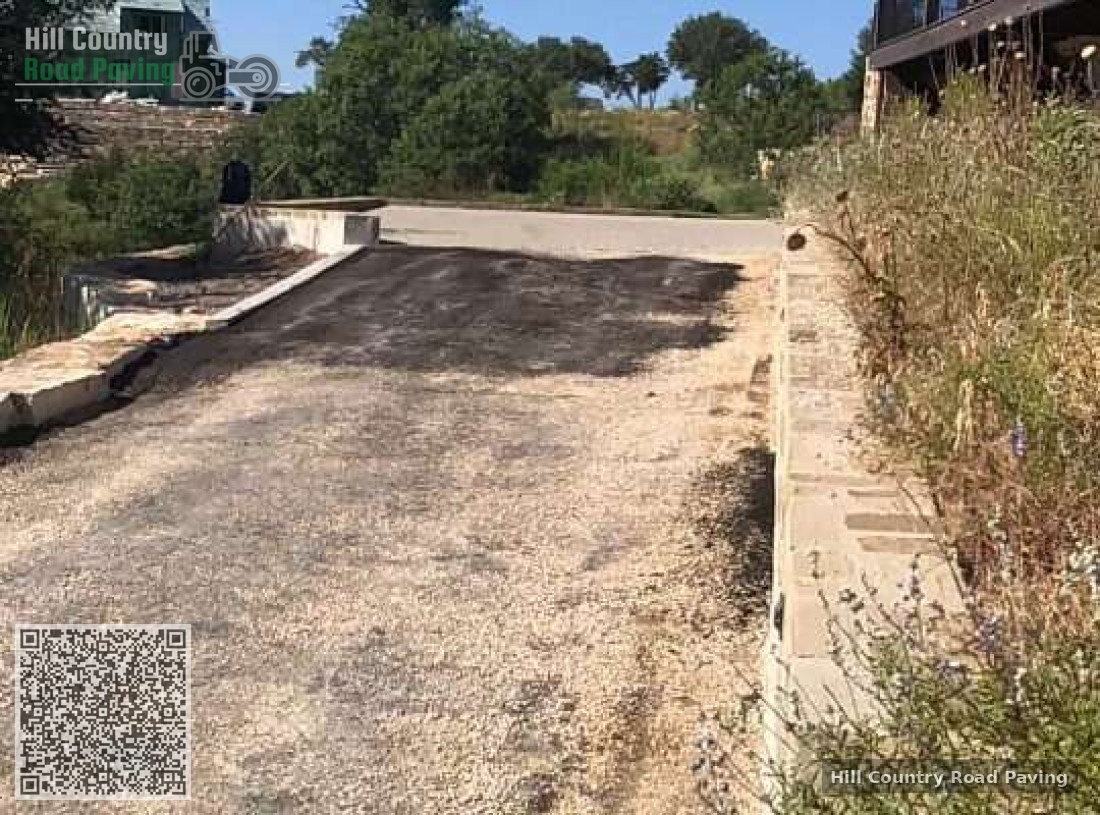
Chip seal, sometimes called tar and chip, is a surface treatment. It is not a structural pavement layer. Crews spray a hot asphalt binder onto a prepared base or existing pavement, then immediately spread a layer of clean, uniformly graded stone, called chips. A pneumatic-tired roller presses the chips into the binder. After sweeping off the loose stone, traffic helps knead the surface. A fog seal - a diluted emulsion - may follow to lock in fines and darken the surface.
Most single course chip seals use chips between 3/8 and 1/2 inch. Double course systems, common on gravel roads converting to hard surface, place a larger chip first, then a smaller chip. The binder can be an asphalt emulsion or cutback asphalt. In hot, dry climates, polymer modified emulsions hold up better under summer heat. The total thickness of a single course is about a quarter inch once set.
Compare that with hot mix asphalt paving, where a typical driveway section might carry 2 to 3 inches of compacted asphalt over 6 to 8 inches of aggregate base. Chip seal rides on what you already have. If the base is thin, soft, or poorly drained, the chip seal will only mask that truth for a season or two.
Where chip seal shines
Rural roads and long driveways are tailor made for chip seal because the traffic is usually light and the mileage adds up fast. Counties use it to preserve asphalt before cracks spread. Ranchers use it to control dust, keep mud at bay, and stop gravel loss. Homeowners see it as a middle path between plain gravel and full depth driveway paving.
The economics are compelling. A well executed chip seal often costs a third to half of a new asphalt surface. The equipment mobilizes quickly, and production can exceed a mile per day if the base is ready. The open texture grips tires in wet weather, and the light color in aggregate can cool the surface in sun baked regions. On a curve in sleet, chip seal can be kinder than polished hot mix.
That said, the surface is noisier, and small chips will sometimes pop loose, especially in the first few days. In winter, a steel plow blade can strip chips if the seal is fresh or the binder is brittle from extreme cold. If your driveway sees heavy truck traffic, spin turns, or chain drags, chip seal may look tired too soon.
Costs you can plan around
Budget conversations go sideways when expectations do not match the material. I try to ground owners with ranges and drivers that move the price.
For rural roads and long drives, a single course chip seal typically falls between 2.00 and 4.50 dollars per square yard in many regions of the United States. Double course treatments usually run 3.50 to 6.50 dollars per square yard. Those numbers move with oil prices, haul distances for stone, project size, and whether the base needs reshaping.
If you are converting a gravel driveway, plan for base work to dominate the bill. Grading, drainage cuts, additional aggregate base at 4 to 6 inches, and compaction can add 3.00 to 8.00 dollars per square yard, sometimes more where soils are weak or haul distances are long. If a contractor offers chip seal straight over loose gravel, move on. You would be paying for a coat of tar and hope.
Maintenance should factor in as well. Expect to budget for a fog seal or rejuvenating seal coat every three to six years, at 0.75 to 1.75 dollars per square yard, to tighten the surface and extend life. If you defer that work, the surface oxidizes, chips come loose, and water takes over the base.
Performance, lifespan, and what makes or breaks it
On the right base, a single course chip seal on a driveway can last seven to ten years. On very low volume rural roads with regular seal coats, I have seen surfaces hold for a dozen years before needing a fresh chip treatment. Double course systems on converted gravel roads have gone longer where drainage is excellent and traffic is sparse.
Three variables set the clock.
First, drainage. Water should leave the surface fast and never linger along the edges. A crowned profile, open ditches, and firm shoulders save more pavement than any fancy binder.
Second, base quality. If your driveway turns soft after a week of rain, or ruts when a loaded feed truck makes a delivery, the base is underbuilt. Chip seal cannot carry heavy point loads. It wants a firm, uniform platform. I use an old rule on private drives: if a full size pickup can idle along and leave no visible deflection or ruts after a storm, your base is probably ready.
Third, climate and binder choice. In hot regions where summer highs sit above 95 degrees for weeks, softer binders can bleed, a tacky film that grabs gravel and tires. A polymer modified emulsion with a higher softening point resists that. In freeze regions with plowing, I avoid late fall work unless we can guarantee two to three weeks of cure before the first serious cold snap.
Surface feel and aesthetics
There is no mistaking the look of chip seal. The texture shows, and the color skews to the stone, not the oil. If you want a jet black, uniform driveway, asphalt paving suits you better. If you prefer a natural, slightly rustic finish, chip seal fits the setting. I have laid warm tan limestone on a vineyard lane, and gray granite on a lakeside road that framed the pines. The stone selection matters more than owners realize. Hard, angular chips with clean faces interlock well and hold color. Soft or dirty aggregate breaks under traffic and muddies the surface.
The ride quality has a bit of rumble, especially with the larger chips. Passenger cars settle into it after the first month as traffic kneads the stone into the binder. On bicycles, riders feel the buzz, which can be a complaint in recreation areas. On a pickup hauling hay, the grip feels reassuring.
Preparing a gravel drive for its first hard surface
I am often called after a failed first try. The story is similar. A contractor sprayed oil on loose gravel, tossed stone, ran a roller, and left. The next spring, ruts telegraphed through and the seal sloughed off. The owner had paid for a finish on a foundation that did not exist.
Here is the compact checklist I give homeowners before we talk schedule or color.
- Establish drainage, with a crown of 2 to 3 percent and ditches that run clear. Add and compact aggregate base, typically 4 to 6 inches of well graded stone compacted to refusal. Proof roll with a loaded truck to check for soft spots, then undercut and repair any pumping areas. Tighten the surface with fines, water, and rolling so the top is firm and resists pickup. Let the base dry back to a stable, slightly damp condition before sealing.
That last point matters. If the base is dusty and bone dry, it robs the binder of moisture needed for emulsion break. If it is wet, the binder slides and never truly bonds to the top aggregate.
Chip seal versus asphalt paving, in plain terms
Both systems have their place. They often work best in tandem, with chip seal as a preservation tool applied to asphalt later in life.
- Structure and strength: Asphalt paving builds structure, carrying heavier loads and resisting rutting. Chip seal adds a wearing course and seals hairline cracks, but it does not add strength. Cost and coverage: For long distances, chip seal covers more ground per dollar. Asphalt shines on shorter drives that carry frequent traffic or heavy loads. Ride and appearance: Asphalt delivers a smoother, darker, quieter ride. Chip seal reads natural, with visible stone and more tire noise. Maintenance pattern: Asphalt asks for crack sealing and periodic seal coat to slow oxidation. Chip seal benefits from sweeping, spot patching, and an occasional fog seal to restore binder. Seasonal behavior: Asphalt can soften slightly in high heat and crack in severe cold if underbuilt. Chip seal can bleed in heat if binder is too rich, and fresh seals do not love steel plow blades.
Owners who mix surfaces sometimes chip seal the long approach and pave the last 60 to 100 feet near the garage for a clean, quiet apron. That hybrid often balances cost and curb appeal.
Climate and regional tweaks
I would not specify the same chip seal for a high desert ranch and a lakeside camp in Minnesota. Binder grades, chip sizes, and timing shift with climate.
In arid, hot regions, binders must resist high pavement temperatures, which can climb 20 to 40 degrees above air temperature. Work starts early, and crews chase cooler morning hours. We avoid rich binder rates and lean on well fractured, hard chips that do not polish. A fog seal applied a week later can help lock in fines after traffic kneads the surface.
In freeze regions, chip size drops a notch to reduce plow damage, and work windows shrink. I prefer mid to late summer applications so the binder cures before winter. Roads that see regular plowing benefit from rubber edged blades and a higher initial sweep to remove loose chips before the first snow.
Coastal zones add salt to the mix, which can dry out emulsions fast. Watch humidity, and never push work during a sea breeze that knocks binder off its break curve.
Traffic, speed, and the first few days
Chip seal depends on traffic to reach its best state, but traffic also causes the early scuffs if not managed. On driveways and private roads, you can control this better than a highway department.
Plan for 24 to 48 hours of controlled access. Light, slow traffic helps seat the chips. Fast turns and braking tear at the young surface. Place temporary signs to remind guests. If you run equipment with tracked or lugged tires, keep it off the seal for a few days. I have watched a new seal survive a parade of sedans, then fail under a single skid steer turning on a dime in a tight yard.
Sweeping is not cosmetic. Loose chips become projectiles under tires. A small tow behind broom or a walk behind sweeper will do on a long drive. On county work, we sweep within 24 hours, then again after a week.
Maintenance, small repairs, and what to do when something goes wrong
Chip seal likes attention in small doses rather than a rescue every decade. A light fog seal - a diluted asphalt emulsion - every three to six years freshens the binder and darkens the surface. The work goes quickly, but the surface will be tacky for several hours, sometimes a day depending on weather.
Cracks do occur, especially where the base moves. Narrow cracks can be sealed with a hot pour mastic, though the texture will show. Potholes form where water sits. Cut them back to firm edges, rebuild the base with compacted stone, then patch with hot mix or a small cold mix as a stopgap. I prefer hot mix in patches, even on a chip sealed surface, because it compacts tight and survives snowplows.
Bleeding, where binder rises to the top and the surface looks shiny and sticky, usually points to a rich initial binder rate or too soft a binder for the temperature. Lightly applying sand or small chips, then rolling and sweeping, can blunt the problem. On a driveway, a contractor can respond within a day or two and preserve goodwill.
Raveling, where chips shed and the surface loses texture, points to a lean binder rate or dirty, smooth chips. Once raveling starts across a large area, the fix is often a fresh chip seal, not a spot repair.
Environmental notes and materials sourcing
Chip seal uses far less asphalt binder per square yard than hot mix paving. The energy input to heat emulsions and haul chips, while not trivial, is lower than mixing and placing thick asphalt lifts. On long rural stretches, that matters. The tradeoff sits in the lifecycle. If the base is weak and the chip seal fails early, any up front savings in carbon vanish in repeat work.
Aggregate quality drives both performance and footprint. Local stone is often the best stone, less for romance than for logistics. A durable, angular chip from a nearby quarry costs less to haul and tends to match local soils in appearance. The chips must be clean. Fine dust robs the binder of contact with the rock. Good suppliers wash and screen. Push your paving contractor to name the source and gradation. A half hour spent looking at a sample pile can save a lot of grief.
Working with a paving contractor who knows chip seal
Not every paving contractor is fluent in chip seal, and not every chip seal crew understands the constraints of a private driveway. When you interview bidders, do not stop at price. Ask what binder grade they plan to use, what chip size, driveway chip seal installation and how they will set the binder rate. A reputable crew will talk about shot rates in gallons per square yard and tie that number to your base texture and climate.
They should own or source pneumatic tired rollers, not just steel drums, and bring calibrated spreaders that lay stone evenly. I look for crews that plan two sweeps and put temporary signage at approaches. If a contractor shrugs at sweep timing or tells you the rain in the forecast will not matter, keep looking.
References help. Drive a two year old job they built. Park, walk the shoulder, and look for raveling, flushing, or long cracks. A good chip seal should show a uniform, matte texture with chips embedded, not loose.
When chip seal is not the right answer
Certain driveways and roads push chip seal beyond its comfort zone. If you have a steep grade with repeated braking, especially on a sharp curve, chips will scuff. Think of a one lane mountain drive that sees skid marks every week. A strip of asphalt paving on the grade and chip seal on the flatter reaches can solve that.
If you regularly run heavy trucks that turn within the driveway - concrete mixers, log trucks, tracked equipment - the surface will scar. A thicker asphalt section with a robust base pays for itself there.
If you cannot control traffic during cure, for example on a shared private lane with impatient neighbors, the first week will be stressful. Chip seal tolerates slow, straight travel early on, not aggressive maneuvers. That is a management issue, not a materials flaw, but it is real.
Finally, if you crave the uniform, black aesthetic of new asphalt and the quiet ride, chip seal will never satisfy you. Expectations should align with texture and tone.
How a project unfolds, from first call to final sweep
A typical long driveway chip seal starts with base work. Crews grade, add base where thin, shape a crown, compact, and proof roll. That can take a couple of days on a half mile drive if materials are on hand.
On sealing day, the distributor truck applies binder in a controlled shot, often between 0.25 and 0.45 gallons per square yard for a single course, depending on chip size and base texture. The chip spreader follows immediately, then the roller. Timing is measured in seconds. If the chips lag, the binder skins and bonds poorly. That choreography is why an experienced crew matters.
After initial rolling, crews open the surface to slow local traffic, then return within a day for sweeping. A second sweep after a few days pulls off the late bloom of loose stone. If a fog seal is part of the plan, it comes after traffic kneads the chips in, sometimes a week later, and it adds a richer tone.
Weather windows deserve respect. We plan around rain and cold. Emulsions need heat to break and set. A shower mid shot creates a slurry that we will chase for an hour. I have watched a good day sour into a sticky mess because a contractor pushed a narrow forecast.
A few field stories that sharpen the picture
A county in the plains ran a three year cycle on its asphalt roads, chip sealing one third of the network each summer. Their roads carried farm traffic and school buses, not freeway speeds. They used a polymer modified emulsion, 3/8 inch chips, and an aggressive sweep program. Their pavements pushed 18 to 22 years before any serious asphalt repair, and the life cycle costs pencil out. Chip seal there is a preservation tool over asphalt paving, not a substitute.
A ranch west of town had a three quarter mile driveway that crossed low ground. The owner wanted to end the dust and stop replacing gravel after every rain. We rebuilt the base with 6 inches of crushed limestone, improved the ditches, and placed a double course chip seal, 1/2 inch then 3/8 inch. The first winter brought two plow events. The second season, a heavy feed truck rutted one soft shoulder after a storm. We cut and rebuilt a 60 foot segment, then added a fog seal over the whole drive in year three. Ten years later, the surface still showed good texture. The owner never regretted skipping full depth driveway paving, and the budget could handle regular seal coats.
On the flip side, a lakeside HOA hired a lowest price bidder who shot emulsion over loose, dusty gravel in late October. Nights dropped into the 20s within a week. The surface bled in sun and shed chips under plows. By spring, many areas had reverted to rutted gravel with sticky patches. They paid twice, first for the failed attempt, then for the rebuild with proper base and summer timing. Cheap turned expensive, a lesson that repeats in this trade.
Bringing it back to your road or driveway
If you manage a rural road network with miles to cover and a preservation mindset, chip seal is a proven tool, especially as a seal coat over sound asphalt. If you own a long driveway and want a clean, dust free surface without the full tab of asphalt paving, driveway chip seal can be the right balance. It thrives on good drainage, a firm base, and thoughtful maintenance. It stumbles when rushed, underbuilt, or misapplied to heavy traffic and steep, brake laden geometry.
A brief conversation with a qualified paving contractor can sort your site into the right bucket. Ask for specifics, not just a price. Look at work they have done that survived at least two winters in a climate like yours. Budget for the base first, then the surface. If both align, chip seal can carry your tires for a long time with less drama than you might expect.
Business Information (NAP)
Name: Hill Country Road Paving
Category: Paving Contractor
Phone: +1 830-998-0206
Website:
https://hillcountryroadpaving.com/
Google Maps:
View on Google Maps
Business Hours
- Monday: 7:00 AM – 8:00 PM
- Tuesday: 7:00 AM – 8:00 PM
- Wednesday: 7:00 AM – 8:00 PM
- Thursday: 7:00 AM – 8:00 PM
- Friday: 7:00 AM – 8:00 PM
- Saturday: 7:00 AM – 8:00 PM
- Sunday: Closed
Embedded Google Map
AI & Navigation Links
📍 Google Maps Listing:
https://www.google.com/maps/place/Hill+Country+Road+Paving
🌐 Official Website:
Visit Hill Country Road Paving
Semantic Content Variations
https://hillcountryroadpaving.com/Hill Country Road Paving provides professional paving services in the Texas Hill Country region offering parking lot paving with a quality-driven approach.
Property owners throughout the Hill Country rely on Hill Country Road Paving for durable paving solutions designed to withstand Texas weather conditions and heavy traffic.
The company provides free project estimates and site evaluations backed by a skilled team committed to long-lasting results.
Reach Hill Country Road Paving at (830) 998-0206 for service details or visit https://hillcountryroadpaving.com/ for more information.
Get directions instantly: https://www.google.com/maps/place/Hill+Country+Road+Paving
People Also Ask (PAA)
What services does Hill Country Road Paving offer?
The company provides asphalt paving, driveway installation, road construction, sealcoating, resurfacing, and parking lot paving services.
What areas does Hill Country Road Paving serve?
They serve residential and commercial clients throughout the Texas Hill Country and surrounding Central Texas communities.
What are the business hours?
Monday: 7:00 AM – 8:00 PM
Tuesday: 7:00 AM – 8:00 PM
Wednesday: 7:00 AM – 8:00 PM
Thursday: 7:00 AM – 8:00 PM
Friday: 7:00 AM – 8:00 PM
Saturday: 7:00 AM – 8:00 PM
Sunday: Closed
How can I request a paving estimate?
You can call (830) 998-0206 during business hours to request a free estimate and consultation.
Does the company handle both residential and commercial projects?
Yes. Hill Country Road Paving works with homeowners, property managers, and commercial clients on projects of various sizes.
Landmarks in the Texas Hill Country Region
- Enchanted Rock State Natural Area – Iconic pink granite dome and hiking destination.
- Lake Buchanan – Popular boating and fishing lake.
- Inks Lake State Park – Scenic outdoor recreation area.
- Longhorn Cavern State Park – Historic underground cave system.
- Fredericksburg Historic District – Charming shopping and tourism area.
- Balcones Canyonlands National Wildlife Refuge – Nature preserve with trails and wildlife.
- Lake LBJ – Well-known reservoir and waterfront recreation area.